
As the days grow shorter and the temperatures start to drop—whether it’s crisp air, rain, or just a shift in the season—outdoor play might not always be an option. But cooler November weather doesn’t have to mean boredom or screen time overload. In fact, it’s the perfect opportunity to slow down, cozy up, and create simple, joyful moments indoors with your child.
From the tiniest baby to the energetic kindergartner, children thrive when we provide them with warm, engaging experiences that match their developmental stage. Whether you’re looking for sensory play ideas, creative projects, or connection-building games, this blog is full of screen-free ways to make cold days feel a little warmer.
Each of these ideas can be done with basic materials you likely already have at home—and they’re designed with flexibility in mind so siblings of different ages can play together in their own way.
Blanket Forts & Indoor Hideaways
There’s something magical about building a space of your own. For babies, it’s a soft corner filled with pillows and favorite books. For older children, it’s a full-blown fort with blankets, flashlights, and secret passwords.
Start simple: drape a blanket over the back of the couch, lay down a few cushions, and let your child bring in their stuffed animals, books, or snacks. Add a string of battery-powered lights or a flashlight to create a little glow. Even infants enjoy being gently carried or crawling into a fort with you—it changes their perspective and adds novelty to the day.
For your older ones, forts can inspire dramatic play. Today it’s a campsite, tomorrow it’s a rocket ship, and next week it might be a post office. Follow their lead and encourage them to tell you about their “cozy adventure.”
Sensory Play for Little Hands
Sensory play is a fantastic way to keep young children engaged while also supporting brain development and fine motor skills. And when it’s too cold or wet for messy outdoor play, there are plenty of ways to bring the fun inside.
For babies, try a tray with safe textures—soft fabric scraps, silicone kitchen tools, or a bin of cotton balls to explore with supervision. You can even make a simple sensory bottle using water, a bit of glitter, and some beads or buttons sealed tightly in a clear plastic bottle.
Toddlers and older children love sensory bins. Try dry oats with scoops and spoons, or a bin of dried beans with hidden toys to dig for. Add measuring cups or tongs for a fine-motor boost. Want something simple and easy to set up? Fill a shallow baking dish with warm water, toss in a few bath toys or sponges, and lay a towel underneath to catch splashes. Water play still feels like magic—even in November—with just a little prep. Sensory play doesn’t need to be fancy—it just needs to be safe, hands-on, and open-ended.
Indoor Obstacle Courses & Movement Games
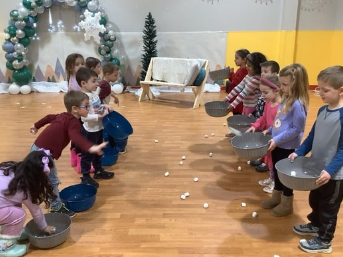
When little bodies have big energy, movement is key—especially when it’s too chilly or rainy to get outside. A simple indoor obstacle course helps toddlers and kindergartners burn energy in a fun and structured way.
Use couch cushions to crawl over, tunnels to crawl through, tape lines on the floor to walk across, and stuffed animals to jump around. You can make it silly too: hop like a frog, march like a soldier, tiptoe like a cat.
Infants benefit from movement too. Try a cozy “tummy time circuit” with different textures to explore, or hold your baby and dance slowly around the room to calming music.
Older children might enjoy turning this into a game with “missions” to complete or a timer for added excitement. For example, give your child a challenge like: “Mission 1: Crawl through the tunnel. Mission 2: Rescue the stuffed animal and hop back to base!” You can announce the “Mission” like a top-secret assignment. You don’t need a gym—just a little imagination and a clear path.
Cozy Craft Time (No Perfection Required)
There’s something about art supplies on a cooler day that invites creativity. But here’s the good news—craft time doesn’t need to be picture-perfect to be meaningful.
For little ones, you can squeeze a few blobs of non-toxic paint (or yogurt with natural coloring) into a zip-top plastic bag. Add textured items like ribbon pieces, cut-up foam shapes, or soft fabric scraps. Seal the bag tightly (you can tape the top for extra security), then tape it to a highchair tray or the floor—always with supervision to ensure it stays safely sealed and out of little mouths.
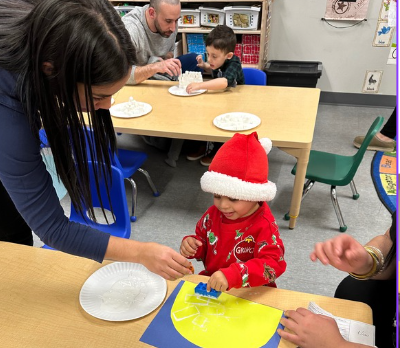
For young children, try painting with cotton balls, stamping with fall leaves, or making a collage using old magazines or grocery ads. You can also cut simple shapes out of construction paper to make turkeys, pumpkins, or cozy houses.
Older children might enjoy making homemade greeting cards or decorating a “cozy day banner” to hang in their room. What matters most isn’t the final product—it’s the focus, the freedom to explore, and the joy of creating together.
Bake Something (Even If It’s Just Pretend)
November is a great month to bake something warm, whether you’re making actual muffins or just pretending with measuring cups and wooden spoons.
Infants can sit nearby in a highchair with a silicone whisk and bowl to bang and explore. Toddlers can help pour, stir, and sprinkle ingredients (with help). Try simple recipes like banana bread, homemade applesauce, or “no-bake” snacks like oat balls.
Not up for real baking? Set up a pretend kitchen on the floor using empty containers, spoons, and play food. Let your child “bake” for their stuffed animals or dolls, or create a pretend café for you to visit. It’s a wonderful way to build language, imagination, and connection—no oven required.
Quick No-Bake Oat Ball Snacks
Classic Version:
Mix 1 cup rolled oats, ½ cup peanut butter, ¼ cup honey, and a handful of mini chocolate chips or raisins. Roll into bite-sized balls and chill for 20 minutes.
Nut-Free Version:
Swap peanut butter for sunflower seed butter or WowButter. Follow the same steps for a safe, allergy-friendly treat.
Tip: Always double-check ingredient labels to make sure everything is safe for your child, especially if there are food allergies in the home.
Easy to make, fun for little hands to help with, and perfect for cozy snack time!
Quick Homemade Applesauce
Peel and chop 4 apples, then simmer in a small pot with ½ cup water and a pinch of cinnamon. Cook for 15–20 minutes until soft, then mash with a fork or blend for a smoother texture.
No added sugar, just cozy comfort in a bowl—perfect for little ones!
Storytime & Snuggle Sessions
There’s no better time for stories than a chilly afternoon when the light starts to fade. Reading aloud offers comfort, connection, and calm—something we all need when we’re cooped up indoors.
Infants love rhythmic books, songs, and the sound of your voice. Toddlers enjoy short stories with familiar themes, and older children may be ready for books with characters and plots they can relate to.
Make it special with a “reading nook” in the corner of a room—a blanket, a pillow, and a small basket of books is all it takes. You could also host a “story picnic” where you snack and read at the same time.
Let your child choose the book, take turns reading if they’re ready, and ask questions about what they see or remember. Storytime isn’t just about literacy—it’s about warmth, attention, and shared imagination.
Make a Cozy Day Box or Basket
To make chilly-day planning even easier, consider creating a “Cozy Day Box” filled with simple materials you can pull out when the weather turns gray.
Your box might include a few favorite books, homemade playdough or sensory materials, crayons and blank paper, a flashlight or lantern for indoor forts, a small puzzle or matching game, and a cozy playlist of quiet music. Having this box ready to go makes it easier to shift gears when cabin fever sets in—and over time, it becomes something your child can look forward to: a little tradition for cold, cozy days together.
Warm Memories Start Indoors
November weather may keep us inside, but it doesn’t have to keep us from making meaningful memories. The activities your child remembers most won’t be the fanciest ones—they’ll be the warm, connected moments you spent together building forts, reading stories, and laughing in your living room.
Whether you have an infant exploring textures or a kindergartner building obstacle courses, there’s something in these cozy indoor adventures for every stage. Slow down. Grab a soft blanket. Put on soft music. And enjoy the magic that happens when you turn a quiet afternoon into a shared experience.