Ever found yourself yelling over spilled cereal, a missing shoe, or a forgotten backpack? It happens to the best of us. Parenting is joyful, but it can also be relentless, and sometimes your patience runs thin before the day even begins. What if a simple pause—just a few seconds—could turn those tense moments into calm, thoughtful interactions? Pausing isn’t about ignoring your child or delaying discipline; it’s about creating space to respond in a way that teaches, guides, and strengthens your relationship.
In this blog, we’ll explore the art of pausing before reacting to your child’s behavior. From building practical routines to understanding the emotional and physical benefits, and even the long-term impact on your child’s development, you’ll learn how this small yet powerful habit can transform your parenting and help your child build emotional coping skills.
What It Means to Pause and Why It’s Essential
Pausing is more than taking a quick breath or stepping away physically—it’s a mental reset. It’s giving yourself a moment to notice your feelings, observe the situation without judgment, and choose a response rather than reacting impulsively.
When we pause, we interrupt the automatic chain of reactions that often lead to yelling, frustration, or escalation. Instead, we create a moment of clarity, where we can consider the best approach for both our child and ourselves. Imagine your child throws a toy in anger. Pausing allows you to think: Are they expressing frustration? Are they seeking attention? How can I respond calmly without escalating the situation?
In the context of parenting, pausing is critical because children are constantly testing boundaries and expressing emotions they haven’t yet learned to regulate. By responding thoughtfully rather than reacting impulsively, you model patience, calmness, and empathy—key emotional skills that children will mirror as they grow.
Practical Tips for Creating a Pause Routine
Building the pause into your day doesn’t have to feel forced. The goal is to make it feel natural, even in chaotic moments. Here are some practical ways to do it:
- Five-second rule: When frustration rises, silently count to five before responding. This tiny gap allows your brain to shift from reactive mode to reflective mode. You might find yourself responding with curiosity instead of anger: “I notice you’re upset—can you tell me why?”
- Mental “pause button”: Picture pressing an imaginary button in your mind whenever you feel triggered. This visual cue signals your brain to stop and reset before reacting. You can also use a simple hand gesture as a physical reminder—like holding up your palm in front of your face as if saying “stop” to yourself, or lightly tapping your chest. These small, intentional actions help create a moment to breathe, refocus, and respond thoughtfully rather than react automatically.
- Deep breathing: Slow, intentional breaths—inhale for four seconds, hold for two, exhale for six—activate your body’s calming system. Breathing deeply signals your nervous system to move out of fight-or-flight mode, giving you more control over your emotions.
- Calming phrases: Repeat a short phrase to yourself, like “This too shall pass” or “I’m in control.” Even whispering it in your head can help you shift your mindset from frustration to patience.
Quick Example:
When Jamie refused to eat breakfast, instead of saying, “You’ll eat this or go hungry,” I paused, took a deep breath, and asked, “Which cup would you like today?” The simple pause shifted the mood entirely. Jamie felt respected and in control, and breakfast went smoothly.
How Pausing Helps You Process Your Emotions
Parenting stirs up many emotions—frustration, guilt, impatience, even resentment at times. Without pausing, these feelings can drive our reactions, often in ways we regret. By pausing, we give ourselves space to process what we’re feeling before it affects our child.
Ask yourself during a pause: “Why am I feeling this way? Is this about my child or something else? How can I respond in a way that models calmness?” This reflection prevents our emotions from dictating behavior. For example, if your child ignores repeated requests to put on shoes, your frustration may stem from your own stress about being late, not solely from your child’s actions. Recognizing this helps you respond thoughtfully: maybe offering a choice, turning it into a game, or simply guiding them calmly.
Pausing transforms your response from reactive to intentional. Over time, this practice helps you stay patient even in situations that would have triggered yelling or frustration in the past.
Techniques to Avoid Reactive Behavior
Even with the best intentions, parenting can trigger automatic, emotional reactions. Pausing gives you tools to prevent that:
- Focus on your breath: Slow, deep breathing lowers heart rate and releases tension. You’ll notice yourself feeling calmer and more capable of responding thoughtfully.
- Repeat a calming phrase: Short affirmations like “I’m in control” or “We can handle this together” remind you that the situation is temporary and manageable.
- Step back physically: If possible, move to a different room or take a step back for a few seconds. Physical distance often creates mental distance, giving you space to regroup.
Even 20–30 seconds can reset your nervous system. This pause reduces cortisol levels (the stress hormone) and gives your body and mind a chance to return to a calm state. When you’re calm, your patience naturally increases, and your responses are more thoughtful.
Integrating the Pause in Everyday Moments
The pause is especially useful during big meltdowns, but it’s equally powerful in everyday parenting moments:
- When your child refuses breakfast, a nap, or getting dressed
- When siblings squabble over toys or screen time
- When morning routines feel rushed and stressful
By using the pause consistently, small frustrations don’t snowball into big conflicts. Practicing the pause daily helps you maintain calm and model emotional regulation for your child in real-time.
Example:
As Lily rummaged through her shoes, frustration was rising. I pressed my thumb and forefinger together—a little “pause gesture” I use to reset—and said, “Let’s pick just one pair together.” Suddenly, the chaos felt manageable, and we even shared a laugh.
Long-Term Impact: Teaching Your Child Emotional Regulation
Children learn through observation. When they see you pausing and responding thoughtfully:
- They learn to manage frustration and recognize their emotions
- They practice self-control by mirroring your calm responses
- They develop problem-solving skills, seeing that conflicts can be handled peacefully
Over time, your modeling helps children develop patience and resilience. They’ll begin to pause themselves before reacting, learning how to self-regulate in social situations and handle disappointment without outbursts.
Pro Tip:
When patience runs low, pause, breathe, and acknowledge your child: “I see you’re upset. Let’s figure this out together.” This simple act defuses tension and teaches emotional intelligence.
At Inspiration Station, we know that taking a moment to pause can make all the difference. Our teachers guide children through their emotions with patience and care, helping them reset and respond thoughtfully.
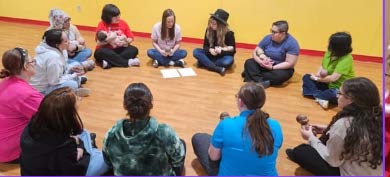
Teacher training for Baby Doll Circle Time